The 50/25/25 Indian Plate Method: How to Eat Dal, Roti & Rice for Sustainable Fat Loss
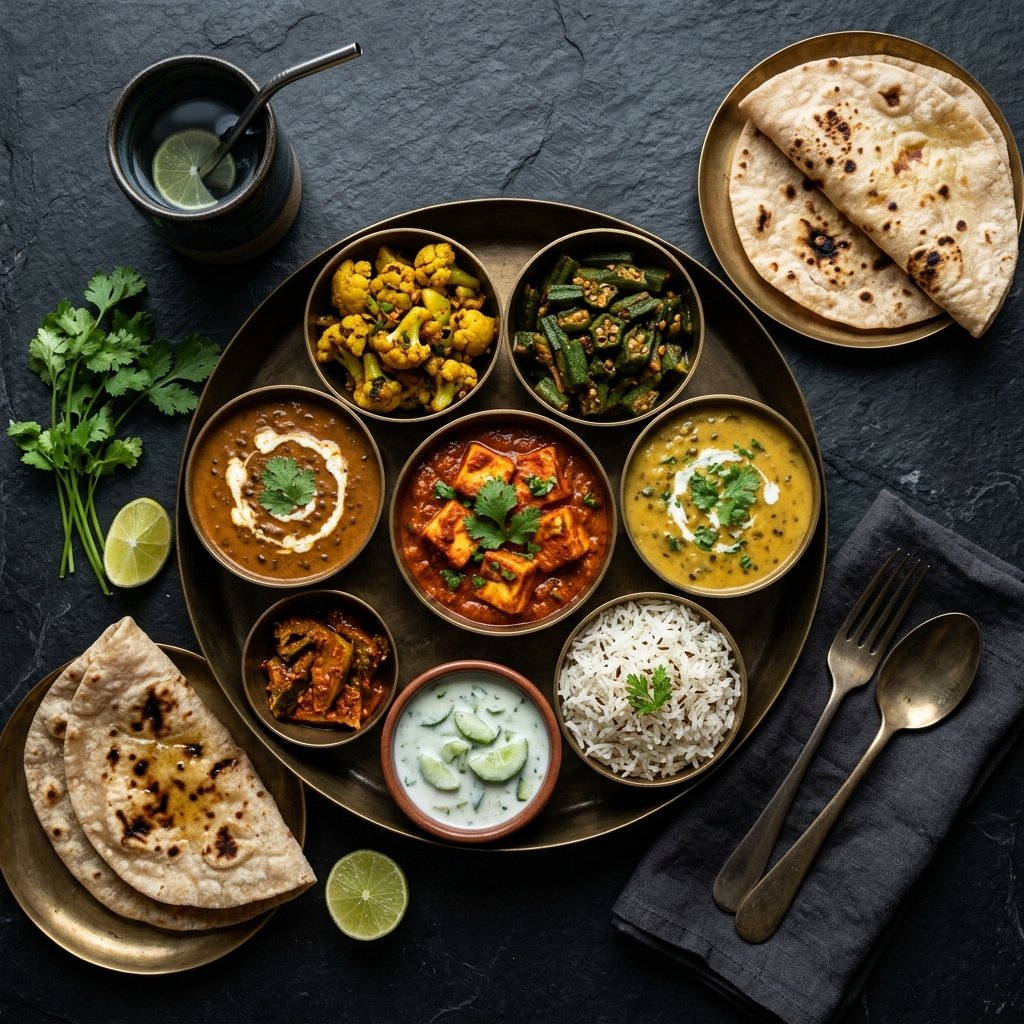
Most people who embark on a fat loss journey are given the same uninspiring advice: stop eating rotis, eliminate rice, substitute home-cooked food with bland raw salads or boiled chicken, and cook entirely separate meals from the rest of the family.
By week three, “diet fatigue” takes over. You crave home comfort food, fall off the wagon, rebound, and mistakenly conclude that you lack willpower.
From an endocrinology perspective, the truth is quite different: You do not lack willpower. Your diet lacked physiological architecture.
Traditional Indian cooking—rich in diverse whole spices, fermented batters, dietary fiber, and plant polyphenols—is inherently protective of metabolic health. The physiological bottleneck is rarely the food itself; it is the macronutrient distribution on the plate.
The Standard Indian Plate Problem (The 70% Carb Trap)
Let’s inspect how an ordinary Indian thali is plated across most households:
- 3 to 4 large rotis or a heaped mound of white rice (occupying nearly 70% of the plate).
- A watery katori of dal (which is often mistaken for pure protein, but biochemically contains nearly 3x more carbohydrates than protein).
- A token spoonful of overcooked sabzi, heavily saturated in unmeasured cooking oil.
When this meal is digested, glucose surges into circulation almost immediately. The pancreas responds by pumping out large amounts of insulin—your body’s master fat-storage hormone. While insulin remains elevated, lipolysis (fat breakdown) is completely halted.
Two hours later, reactive hypoglycemia hits. Your blood sugar plummets, leaving you fatigued, foggy, and reaching for chai and biscuits to lift your energy.
❌ The Standard Indian Plate (70% Carbs)
• 3–4 Rotis or large mound of Rice
• Watery dal (75% carb by volume)
• Small spoon of oily vegetable
→ Acute glucose spike & hunger after 2 hours.
✅ The 50/25/25 Architecture
• 50% Plate: High-fiber salads & vegetables
• 25% Plate: Bioavailable target protein (25–30g)
• 25% Plate: Complex carbohydrates (1–2 rotis/rice)
→ Smooth glucose curve & 4–5 hours satiety.
The Solution: The 50/25/25 Visual Plate Architecture
Rather than obsessing over food scales or counting calories on mobile apps, clinical nutrition relies on **Visual Nutrition Architecture**.
Whenever you sit down for lunch or dinner, calibrate your plate into these three distinct zones:
Zone 1: 50% Plate Volume — Fiber & Micronutrients
The Biological Role: Soluble and insoluble dietary fiber forms a gel-like viscous mesh over the microvilli in your small intestine. This mechanically slows down carbohydrate breakdown and sugar diffusion, reducing postprandial glucose peaks by up to 35%.
What to plate: Fresh raw kachumber (cucumber, radish, tomatoes, carrots, beetroot with lemon juice) alongside cooked seasonal sabzis like bhindi, palak, gobhi, lauki, tori, methi, capsicum, and french beans.
Zone 2: 25% Plate Volume — Bioavailable Protein
The Biological Role: Protein triggers the secretion of Peptide YY (PYY) and GLP-1 (your body’s natural satiety hormones) while blunting Ghrelin (the hunger hormone). It also protects metabolically active lean muscle tissue during fat loss.
Aim for 25g to 30g of bioavailable protein at each main meal:
| Protein Source | Recommended Serving | Approx. Protein Yield |
|---|---|---|
| Low-Fat Paneer / Fresh Chenna | 100g – 120g | 18g – 22g |
| Organic Firm Tofu | 120g – 150g | 18g – 20g |
| Whole Eggs (Boiled / Bhurji) | 2 whole + 1–2 whites | 18g – 20g |
| Soya Chunks (dry weight) | 40g | 20g |
| Sprouted Moong / Kala Chana | 1.5 cups boiled | 14g – 16g (pair with curd/paneer) |
| Greek Yogurt / Hung Curd | 150g | 12g – 15g |
| Chicken Breast / Fish (Non-veg) | 120g – 150g | 25g – 30g |
Zone 3: 25% Plate Volume — Smart Complex Carbohydrates
The Biological Role: Carbohydrates fuel cognitive stamina and support thyroid T4-to-T3 hormone conversion. In the 50/25/25 model, carbohydrates are never demonized—they are simply proportioned intelligently.
What to plate: 1 to 2 whole-grain Phulkas (gehun, jowar, bajra, or ragi with 1/2 tsp of pure A2 desi ghee) or 1 small cup (approx. 100g cooked) of steamed basmati or brown rice.
The “Order of Eating” Protocol: The Sequence Hack
Clinical trials show that the order in which you eat the food on your plate has a massive impact on your hormonal response. When you sit down with your 50/25/25 meal, follow this 3-step sequence:
Fiber First (First 3–5 Minutes)
Eat your salad (kachumber) and green vegetables first. This coats the intestinal brush border and slows glucose diffusion into your bloodstream.
Protein & Healthy Fats Second
Consume your paneer, eggs, tofu, or dal. Protein and fats stimulate peptide YY and slow stomach motility, signaling fullness to the hypothalamus.
Carbohydrates Last
Finish your meal with your roti or rice. Because digestion is already buffered, starch enters your circulation smoothly without triggering an insulin spike.
Real-World Indian Meal Blueprints
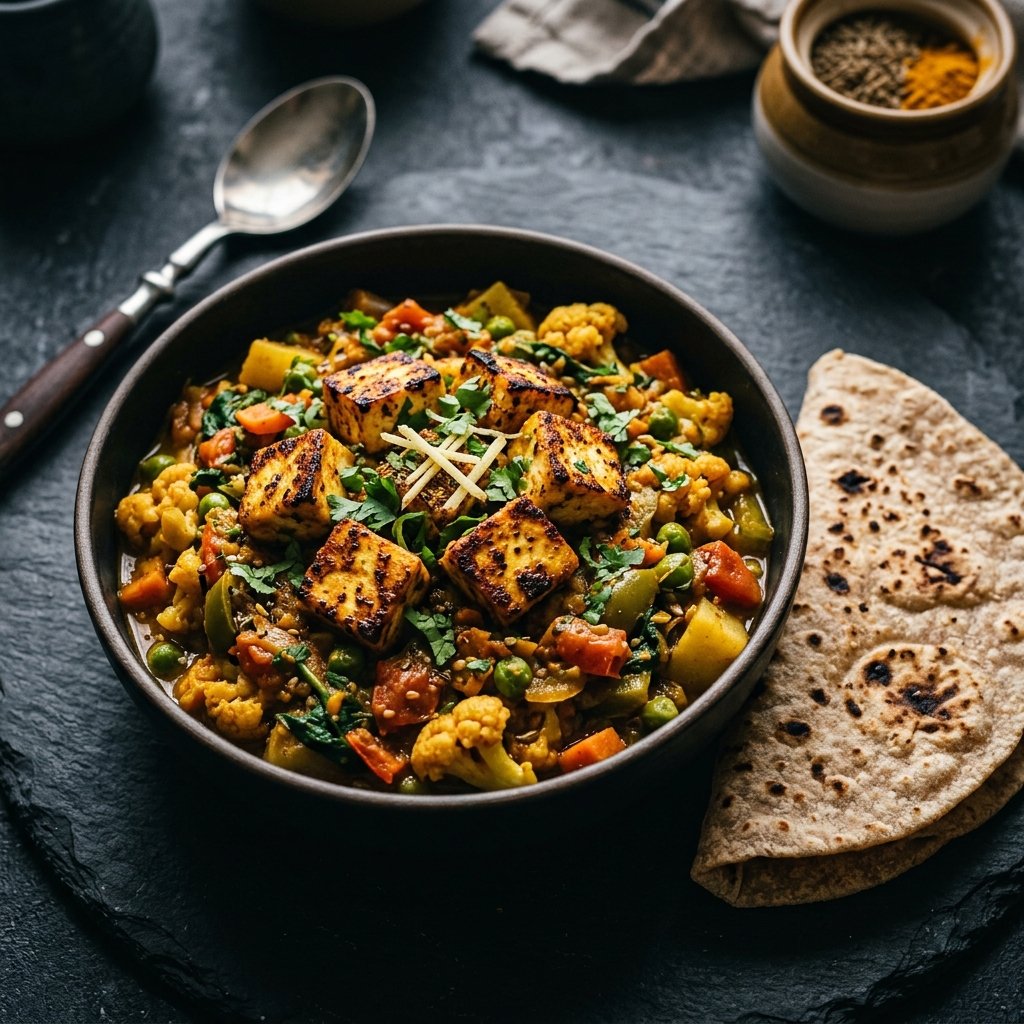
Here is how the 50/25/25 architecture translates into everyday Indian kitchens:
North Indian Classic
South Indian Plate
Corporate Lunchbox
The 5 Hidden Saboteurs That Stall Fat Loss
Even with good intentions, these common kitchen habits often quietly sabotage results:
- 1. The “Free-Pour” Cooking Oil: Pouring unmeasured oil into sabzi adds 360+ hidden liquid calories per meal. Always use a measuring teaspoon (1 tsp per person per meal).
- 2. The “Digestive” & “Diet” Biscuit Scam: Marketed as wholesome, these biscuits are packed with refined flour (maida), palm oil, and maltodextrin. Replace them with soaked almonds and walnuts.
- 3. Chugging Ice Water During Meals: Dilutes gastric hydrochloric acid and enzymes required to break down dense protein. Sip warm water between meals instead.
- 4. Pure Carb Breakfasts: Plain poha or upma without protein triggers a morning glucose crash. Always add paneer cubes, boiled sprouts, or eggs.
- 5. The 30-Minute Post-Meal Sitting Slump: A gentle 10–15 minute walk after meals activates GLUT-4 glucose transporters, clearing glucose from your blood without demanding insulin.
Your 7-Day 50/25/25 Action Checklist
Track your daily consistency with this printable meal checklist:
Ready for a Doctor-Led Metabolic Transformation?
The 50/25/25 Plate is your foundational daily architecture. But if you are struggling with stubborn visceral fat, thyroid fatigue, PCOS, or prediabetes, your internal biomarkers need targeted medical precision.