Metabolic Flexibility is Crucial for Weight Loss & Blood Sugar Control: Dr. Niru Mathur Featured in Jaipur Times (TOI)
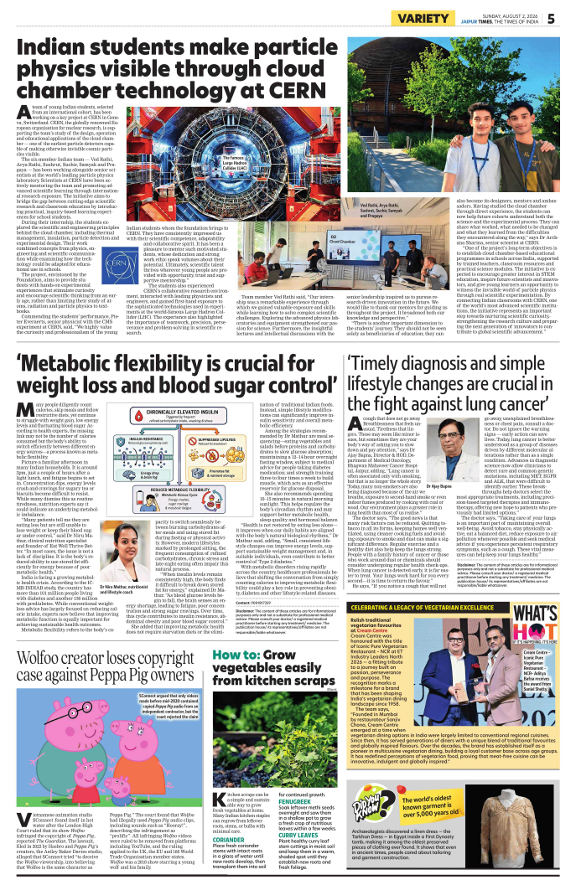
Feature article in Jaipur Times (The Times of India, Sunday Edition, August 2, 2026, Page 5)[cite: 1]. Click image to view the full newspaper page.
Jaipur, August 2026 — Many people diligently count calories, skip meals, and follow restrictive diets, yet continue to struggle with stubborn weight gain, low afternoon energy, and fluctuating blood sugar levels[cite: 1]. In an expert feature published in Jaipur Times (The Times of India) on Sunday, August 2, 2026 (Page 5), clinical nutrition specialist Dr. Niru Mathur explains why counting calories falls short and why restoring Metabolic Flexibility holds the real key to long-term health[cite: 1].
India is experiencing an unprecedented metabolic health crisis, with over 101 million people living with diabetes and 136 million with pre-diabetes[cite: 1]. Dr. Niru Mathur, founder of Eat Well Thrive Better, highlights that sustainable health outcomes require a shift in perspective—from eating less to training the body to switch fuel sources efficiently[cite: 1].
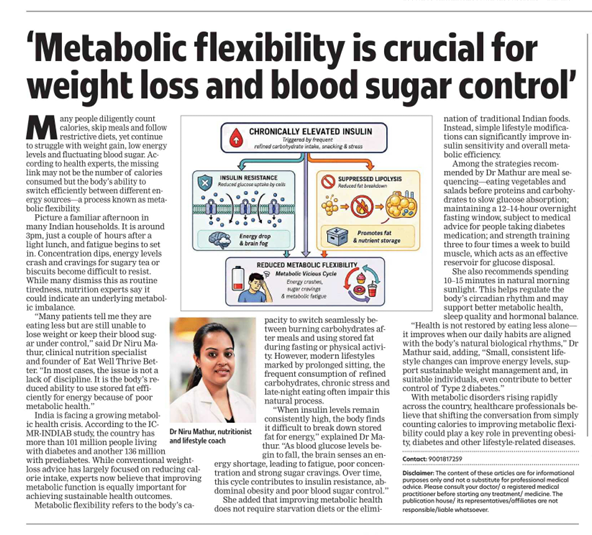
The Vicious Cycle of High Insulin & Metabolic Inflexibility
Consider a familiar scenario: it’s 3:00 PM, a few hours after a light lunch, and a wave of fatigue hits[cite: 1]. Concentration dips, energy crashes, and strong cravings for sugary tea or snacks take over[cite: 1]. While often brushed off as routine afternoon tiredness, experts note this points to reduced metabolic flexibility—the body’s reduced ability to tap into stored fat for fuel[cite: 1].
How Metabolic Health Gets Compromised:
- Chronically High Insulin: Prolonged sitting, refined carbohydrates, chronic stress, and late-night eating keep insulin levels consistently elevated[cite: 1].
- Suppressed Lipolysis: When insulin remains elevated, the body is blocked from breaking down stored fat for energy[cite: 1].
- Energy Shortage & Cravings: As blood glucose falls, the brain senses a fuel shortage, triggering brain fog and sugar cravings[cite: 1].
- Progressive Resistance: Over time, this repeating cycle contributes to insulin resistance, abdominal fat storage, and poor blood sugar control[cite: 1].
Dr. Niru Mathur, Clinical Nutrition Specialist & Founder, Eat Well Thrive Better[cite: 1].
“In most cases, struggling to lose weight or manage blood sugar isn’t due to a lack of discipline. It is the body’s reduced ability to use stored fat efficiently because of poor metabolic health. Health is restored when our daily habits align with the body’s natural biological rhythms.”
4 Simple Lifestyle Shifts to Restore Metabolic Flexibility
Improving metabolic health does not require starvation diets or eliminating traditional Indian foods[cite: 1]. Instead, practical, sustainable habits can significantly enhance insulin sensitivity and overall metabolic efficiency[cite: 1]:
- Meal Sequencing: Consume fiber-rich vegetables and salads prior to eating proteins and carbohydrates to slow glucose absorption into the bloodstream[cite: 1].
- Timed Fasting Window: Maintain a 12 to 14-hour overnight fasting window (subject to clinical advice for individuals on diabetes medication)[cite: 1].
- Strength Training: Perform resistance training 3 to 4 times a week to build muscle, which serves as a major reservoir for glucose disposal[cite: 1].
- Circadian Sunlight Exposure: Spend 10 to 15 minutes in natural morning sunlight to align your circadian rhythm, supporting sleep quality and hormonal balance[cite: 1].
About Dr. Niru Mathur & Eat Well Thrive Better
Dr. Niru Mathur is a Clinical Nutrition Specialist and Founder of Eat Well Thrive Better[cite: 1]. Through doctor-led, non-prescriptive lifestyle coaching, she empowers individuals to manage, prevent, and reverse Type 2 diabetes, fatty liver, obesity, and hypertension through sustainable, evidence-based nutrition[cite: 1].